Technology: The New Human?
Introduction
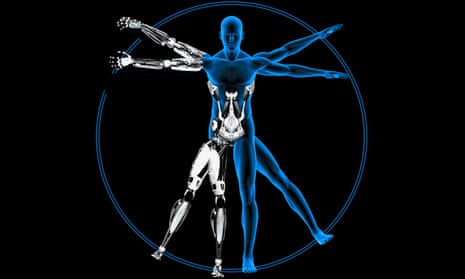
Ever feel like your phone is an extension of your arm? Like you can’t quite function without checking your emails every five minutes, or that the internet knows you better than your own mother? You’re not alone. We’re living in an era where technology is so deeply intertwined with our lives that the line between human and machine is starting to blur. But is this integration a smooth transition into a utopian future, or are we heading towards a reality where technology isn’t just a tool, but a replacement for essential human skills and connections?
This isn’t some sci-fi dystopian nightmare. This is happening right now, in our homes, workplaces, and even in our relationships. Let’s dive into the good, the bad, and the potentially transformative aspects of our increasingly digitized existence.
Short-Term Impacts: Convenience at a Cost?
In the short term, technology has undoubtedly made our lives easier. We can order groceries with a few taps on our phone, access information from anywhere in the world, and connect with loved ones across continents in an instant. This convenience, however, comes at a price.
- Erosion of Skills: Think about it: how often do you rely on GPS instead of your own sense of direction? How much mental math do you actually do when your phone can calculate anything for you? Over-reliance on technology can atrophy our cognitive abilities, making us less capable in situations where technology isn’t available.
- Digital Addiction & Mental Health: The constant notifications, the endless scroll, the fear of missing out (FOMO) – these are all hallmarks of the digital age. Studies increasingly link excessive screen time to anxiety, depression, and sleep disturbances. The curated perfection we see online can also lead to feelings of inadequacy and low self-esteem.
- Decreased Face-to-Face Interaction: While technology connects us globally, it can ironically isolate us locally. We spend more time interacting with screens than with the people around us, leading to a decline in real-world social skills and a weakening of community bonds. Think about the last time you saw a group of friends out to dinner, all glued to their phones instead of talking to each other.
Long-Term Impacts: Shaping Our Future
Looking further down the line, the implications of our technological dependence become even more profound.
- Job Displacement & The Future of Work: Automation and AI are rapidly changing the job market. While technology creates new opportunities, it also threatens to displace workers in various industries. This necessitates a continuous adaptation and reskilling of the workforce, a challenge that many are struggling to meet.
- AI Ethics & Algorithmic Bias: As AI becomes more integrated into our lives, we need to address ethical concerns surrounding algorithmic bias and data privacy. AI systems are trained on data, and if that data reflects existing biases, the AI will perpetuate and even amplify those biases. This can lead to discriminatory outcomes in areas like hiring, loan applications, and even criminal justice.
- Existential Threats & Loss of Humanity: While it may sound far-fetched, some experts worry about the potential for AI to surpass human intelligence, leading to scenarios where we lose control. Even without such extreme scenarios, the constant integration of technology into our lives raises questions about what it means to be human. Are we becoming more reliant on machines for our thinking, creativity, and emotional connection? What happens to our sense of purpose and identity if machines can do everything better than we can?
Solutions: Reclaiming Our Humanity in the Digital Age
The good news is that we’re not powerless in the face of this technological shift. We can take steps to mitigate the negative impacts and harness the power of technology for good. Here are some practical solutions:
- Digital Detox & Mindful Technology Use: Consciously limit your screen time and create technology-free zones in your life, such as during meals or before bed. Practice mindful technology use by being intentional about how you engage with devices and apps. Ask yourself: “Am I using this technology, or is it using me?” Apps like Forest or Freedom can help you block distracting websites and apps.
- Cultivate Real-World Connections: Make a conscious effort to spend time with friends and family offline. Participate in community activities, join a club, or simply strike up conversations with people you encounter in your daily life. Remember the joy of genuine, unfiltered human interaction.
- Embrace Lifelong Learning & Skill Development: Invest in yourself by learning new skills and staying adaptable in the face of technological change. This could involve taking online courses, attending workshops, or simply reading books on topics that interest you. Focus on developing uniquely human skills like critical thinking, creativity, and emotional intelligence, which are less likely to be automated.
- Advocate for Ethical AI & Digital Literacy: Support policies that promote ethical AI development and ensure data privacy. Educate yourself and others about the potential risks of technology and how to navigate the digital world responsibly. Teach children about online safety, critical thinking, and digital citizenship.
- Focus on Human-Centered Design: When developing new technologies, prioritize human needs and well-being. Ensure that technology is designed to enhance, not replace, human capabilities. Consider the potential social and ethical impacts of new technologies before they are widely adopted.
Case Studies & Examples:
- Finland’s Emphasis on Digital Literacy: Finland has implemented a comprehensive digital literacy program in its education system, teaching students not only how to use technology but also how to critically evaluate information and navigate the online world responsibly.
- Companies Prioritizing Employee Well-being: Some companies are recognizing the importance of employee well-being and implementing policies that encourage work-life balance and limit the use of technology after hours. This includes initiatives like mandatory vacation time, digital detox days, and training programs on mindfulness and stress management.
- The Rise of Slow Living: The “slow living” movement encourages people to slow down, disconnect from technology, and focus on meaningful experiences and connections. This philosophy can be applied to various aspects of life, from cooking and eating to travel and relationships.
Conclusion: Shaping Our Technological Future
Technology is not inherently good or bad. It’s a tool, and like any tool, it can be used for good or ill. The question is not whether technology is the new human, but rather, what kind of human will technology help us become? By taking conscious action to mitigate the negative impacts and harness the positive potential of technology, we can shape a future where technology enhances our lives without diminishing our humanity.
This requires a collective effort – from individuals to businesses to governments – to prioritize ethical development, promote digital literacy, and cultivate real-world connections. It requires us to be mindful of our technology use and to reclaim our time and attention.
So, step away from the screen for a moment. Connect with the people around you. Engage in activities that bring you joy. Remember what it means to be human. The future is not predetermined. It’s a canvas waiting to be painted, and we have the power to shape it. Let’s create a future where technology serves humanity, not the other way around.
