Techlash: Are We Building Our Own Cage?
Introduction
Remember the thrill of the early internet? The boundless possibilities, the instant connection, the feeling of empowerment? It felt like we were building a digital utopia, brick by glorious brick. Fast forward to today, and that utopia feels a little… fenced in. We’re grappling with issues like data privacy, algorithmic bias, misinformation, and the sheer addictive nature of our devices. This collective unease, this feeling that technology might be slipping out of our control, is what many call the “techlash.”
So, are we building our own cage? The short answer? Maybe. But the more important question is: what can we do about it?
The Short-Term Burn: Immediate Impacts We’re Feeling Now
The immediate effects of this techlash are pretty clear. Look around. How many times a day do you instinctively reach for your phone? How often do you feel anxious if you’re without it? This constant connectivity is undeniably impacting our mental health. Studies are showing links between excessive social media use and increased rates of anxiety, depression, and even loneliness. We’re ironically feeling more isolated in an age that promised connection.
Beyond personal wellbeing, the techlash is impacting our social and political landscape. The spread of misinformation and disinformation, often amplified by algorithms designed for engagement (read: outrage), is eroding trust in institutions and fueling polarization. We see it daily in our newsfeeds, in our conversations, and in the real-world consequences of online echo chambers.
Then there’s the economic impact. The gig economy, while offering flexibility, often leaves workers vulnerable with little job security, benefits, or protections. The dominance of tech giants is also squeezing out smaller businesses and stifling innovation.
The Long Game: What Happens if We Don’t Act?
Ignoring the techlash isn’t an option. The long-term consequences could be even more profound. Imagine a future where:
- Privacy is a Myth: Our data is constantly collected, analyzed, and used to manipulate our behavior, limit our choices, and even predict our future.
- Algorithmic Bias Deepens Inequality: Algorithms perpetuate and amplify existing biases, creating a world where opportunities are unfairly distributed based on race, gender, or socioeconomic status.
- Human Connection Withers: We become increasingly reliant on technology for our emotional needs, leading to further social isolation and a decline in empathy.
- Democracy Suffers: Misinformation and manipulation erode trust in democratic institutions, making it harder to hold power accountable.
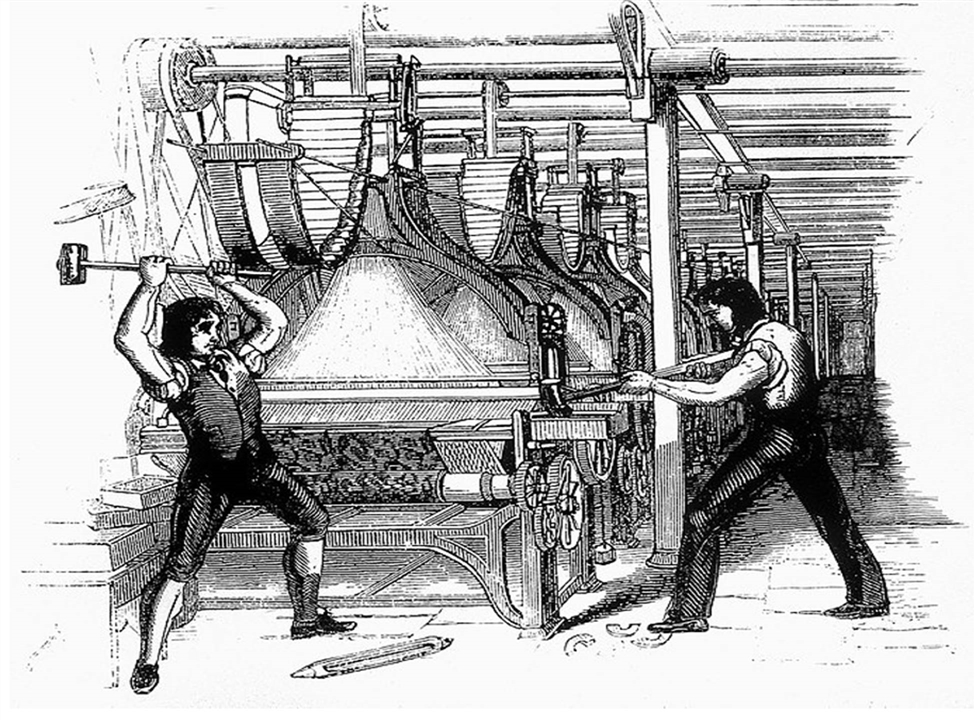
- Job Displacement Accelerates: Automation and AI replace human workers at an alarming rate, leading to mass unemployment and social unrest.
These aren’t far-fetched dystopian scenarios; they are very real possibilities if we don’t actively shape the future of technology.
Unlocking the Cage: Practical Solutions We Can Embrace
The good news is that we’re not powerless. The techlash is a wake-up call, and we can use it as an opportunity to build a more ethical, responsible, and human-centered future. Here are some practical solutions:
1. Reclaim Your Digital Wellbeing:
- Mindful Usage: Track your screen time and identify patterns of excessive use. Set realistic limits and stick to them.
- Digital Detoxes: Schedule regular breaks from technology. Even a few hours a day can make a significant difference.
- Curate Your Feed: Unfollow accounts that make you feel negative or contribute to a toxic online environment. Seek out content that inspires, educates, and uplifts.
- Prioritize Real-World Connections: Make an effort to spend more time with friends and family, engage in hobbies, and connect with your community.
Example: My friend Sarah felt overwhelmed by social media. She started by unfollowing accounts that promoted unrealistic beauty standards. She then set a 30-minute daily limit on Instagram. Within weeks, she felt less anxious and more confident in her own skin.
2. Demand Data Privacy and Control:
- Read Privacy Policies: Yes, they’re long and boring, but they contain crucial information about how your data is being used.
- Adjust Privacy Settings: Take control of your privacy settings on social media platforms, apps, and websites. Limit the amount of information you share.
- Use Privacy-Focused Tools: Consider using privacy-focused browsers, search engines, and messaging apps that prioritize your data security.
- Support Legislation: Advocate for stronger data privacy laws and regulations that protect consumers’ rights.
Example: The GDPR (General Data Protection Regulation) in the European Union is a prime example of legislation that gives individuals more control over their personal data. We need similar regulations in other parts of the world.
3. Promote Algorithmic Transparency and Accountability:
- Demand Transparency: Advocate for greater transparency in how algorithms are designed, trained, and deployed.
- Support Research: Fund research into the ethical implications of algorithms and AI.
- Hold Companies Accountable: Hold tech companies accountable for the biases and unintended consequences of their algorithms.
- Promote Algorithmic Audits: Encourage independent audits of algorithms to identify and mitigate biases.
Example: ProPublica’s investigation into COMPAS, a risk assessment tool used in the criminal justice system, revealed that the algorithm was biased against African Americans. This highlighted the need for algorithmic audits and greater transparency.
4. Support Ethical Tech Development:
- Invest in Ethical Tech Companies: Support companies that prioritize ethical considerations and social impact in their product development.
- Demand Ethical Standards: Demand that tech companies adopt ethical codes of conduct and prioritize human values.
- Promote Responsible Innovation: Encourage the development of technologies that are designed to benefit society as a whole.
- Educate Future Tech Leaders: Educate future generations of tech leaders about the ethical responsibilities that come with creating and deploying technology.
Example: The Center for Humane Technology is an organization that advocates for ethical tech design and promotes awareness about the negative impacts of technology on mental health and society.
5. Cultivate Media Literacy:
- Develop Critical Thinking Skills: Learn to critically evaluate information online and identify misinformation and disinformation.
- Understand Algorithmic Bias: Be aware of how algorithms can shape your perception of reality.
- Seek Out Diverse Perspectives: Actively seek out diverse perspectives and challenge your own biases.
- Promote Media Literacy Education: Advocate for media literacy education in schools and communities.
Example: Common Sense Media provides resources and education to help families navigate the digital world safely and responsibly.
The Road Ahead: A Shared Responsibility
The techlash is a complex problem, but it’s not insurmountable. We have the power to shape the future of technology, but it requires a collective effort. It’s not just about individual actions; it’s about demanding systemic change, supporting ethical companies, and holding tech giants accountable.
Taking the First Step
So, what’s the first step? It could be as simple as setting a daily screen time limit, adjusting your privacy settings, or having a conversation with your friends and family about the impact of technology on their lives. It could be supporting organizations that are fighting for data privacy, algorithmic transparency, and ethical tech development.
The key is to be proactive, informed, and engaged. Don’t let technology control you; take control of technology. We can build a future where technology empowers us, connects us, and enhances our lives, without sacrificing our mental health, our privacy, or our democracy. The cage is not yet complete. Let’s start dismantling it, brick by brick, and build a future we can all be proud of. Let’s build a digital world that serves humanity, not the other way around. You have the power to make a difference. Start today.
