
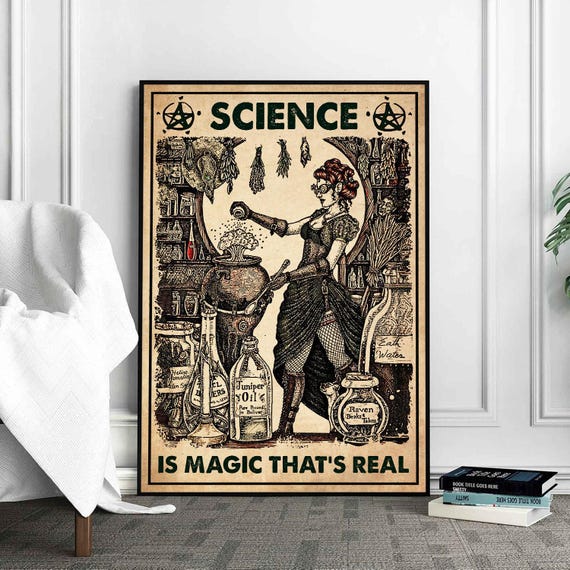
Science: The Only Magic That’s Real
Introduction
Remember that feeling you had as a kid, utterly captivated by a magic trick? A seemingly impossible feat performed right before your eyes, leaving you wondering, “How did they DO that?!” Well, guess what? That wonder doesn’t have to fade. In fact, it’s just waiting to be re-ignited, not by pulling rabbits from hats, but by diving into the real, tangible, and far more incredible world of science.
Science: it’s the closest thing we have to actual magic. Think about it. We can talk to people across the globe instantly through a device smaller than a notebook. We can peer into the deepest reaches of space and witness the birth of stars. We can even manipulate the very building blocks of life to combat disease. If that’s not magic, what is?
But the truth is, science isn’t about pulling tricks out of thin air. It’s about understanding the universe, unraveling its mysteries piece by piece, and using that knowledge to improve our lives and the world around us. And while the long-term benefits of scientific advancements are often touted – cures for diseases, sustainable energy sources, and even space travel – it’s easy to overlook the immediate impact science has on our daily existence.
The Short-Term Illusions of Ignorance:
So, what happens when we undervalue or disregard science? The short-term consequences are often subtle, but they’re there.
- Misinformation’s Grip: In a world saturated with information, distinguishing fact from fiction becomes a real challenge. A lack of scientific understanding makes us more susceptible to misleading claims and conspiracy theories. We might fall for fad diets promising instant weight loss, ignore warnings about climate change, or even refuse life-saving vaccinations based on unfounded fears.
- Missed Opportunities: A society that lacks scientific literacy is a society that misses out on innovation. Whether it’s ignoring potential solutions to everyday problems, hindering technological advancements, or simply failing to appreciate the intricate beauty of the natural world, a gap in scientific understanding can limit our potential.
- Economic Stagnation: Scientific innovation drives economic growth. Without a strong foundation in STEM (Science, Technology, Engineering, and Mathematics) fields, a nation risks falling behind in the global marketplace, losing its competitive edge, and ultimately, hindering job creation and economic prosperity.
The Long-Term Price of Neglect:
The long-term consequences of ignoring science campaquilasyrup.com are even more profound, threatening the well-being of future generations.
- Environmental Catastrophe: Ignoring scientific evidence on climate change leads to increasingly severe weather events, rising sea levels, and widespread ecological damage. The long-term impacts include displacement of populations, food shortages, and potential extinction of countless species.
- Public Health Crises: Undermining public health initiatives based on scientific research can lead to preventable diseases, shorter lifespans, and increased strain on healthcare systems. The resurgence of vaccine-preventable diseases is a stark reminder of the devastating consequences of neglecting scientific evidence.
- Erosion of Trust: When scientific findings are dismissed or distorted for political or personal gain, it erodes public trust in institutions and experts. This can lead to a breakdown in social cohesion, making it harder to address critical issues and build a more just and equitable society.
Unlocking the Magic: Practical Solutions for a Brighter Future:
The good news is that we can reverse these trends and harness the transformative power of science for a brighter future. Here are some practical solutions:
- Embrace Lifelong Learning: Science isn’t just for scientists. Cultivate a curiosity about the world around you. Read science articles (from reputable sources, of course!), watch documentaries, visit science museums, and engage in conversations about scientific topics. There are tons of free resources available online, from Khan Academy to the National Geographic website.Example: Duolingo for science! Imagine an app that teaches you basic scientific principles in a fun, engaging way, just like learning a new language.
- Become a Critical Thinker: Question everything! Don’t accept information at face value. Learn to evaluate sources, identify biases, and look for evidence-based arguments. This skill is crucial for navigating the complex world of information we live in.Example: The “CRAP test” – Currency, Reliability, Authority, and Purpose – is a simple checklist you can use to evaluate the credibility of a website or article.
- Support Science Education: Advocate for better science education in schools. Encourage young people to pursue STEM careers. Volunteer your time at science fairs or mentor students interested in science.Example: Many universities offer outreach programs that bring scientists into schools to conduct hands-on workshops and demonstrations.
- Engage in Citizen Science: Participate in citizen science projects. These projects allow you to contribute to real scientific research by collecting data, analyzing images, or performing other tasks. It’s a great way to learn about science while making a tangible contribution.Example: Zooniverse is a platform that hosts hundreds of citizen science projects, ranging from classifying galaxies to transcribing historical documents.
- Communicate Science Effectively: If you have a scientific background, make an effort to communicate your knowledge to the public in a clear and accessible way. Share your passion for science with others and help demystify complex concepts.Example: Bill Nye, “The Science Guy,” has made a career out of communicating science to children and adults alike, using humor and engaging visuals to make complex topics understandable.
Alternative Approaches: A Menu of Scientific Engagement:
No single approach works for everyone. Here are some alternative ways to engage with science, depending on your interests and resources:
- The “DIY Scientist”: Conduct your own experiments at home. There are countless resources online that provide instructions for simple, safe, and educational science experiments.
- The “Sci-Fi Fan”: Explore scientific concepts through science fiction. Read books, watch movies, and discuss the scientific plausibility of different scenarios.
- The “Nature Lover”: Spend time outdoors observing the natural world. Learn about the plants, animals, and ecosystems in your area.
- The “Tech Enthusiast”: Stay up-to-date on the latest technological advancements. Explore how technology is changing our lives and the world around us.
A Call to Action: Let the Magic Begin!
Science isn’t just a collection of facts and figures. It’s a way of thinking, a way of exploring, and a way of understanding the world around us. By embracing science, we can unlock our potential to solve problems, create new opportunities, and build a better future for all.
So, the next time you’re looking for a little magic, don’t reach for a deck of cards or a disappearing act. Instead, delve into the world of science. The real magic is waiting to be discovered. The power to shape our world for the better, to understand the universe, and to push the boundaries of what’s possible lies within our grasp. Let’s embrace it, nurture it, and share it. The future depends on it, and the wonder of it all is truly magical. Now go out there and explore!
