The Algorithmic Horizon: What Comes After Now
Introduction
Ever felt like algorithms are quietly running the world behind the scenes? From the music you listen to, to the news you see, to even the job offers you receive, algorithms are shaping our lives in ways we’re only beginning to understand. We’re in the thick of the algorithmic age, but what happens next? Are we headed for a utopian world of hyper-personalization, or a dystopian landscape of automated control? The truth, as always, is probably somewhere in the middle. And understanding what’s coming is crucial, not just for tech experts, but for all of us.
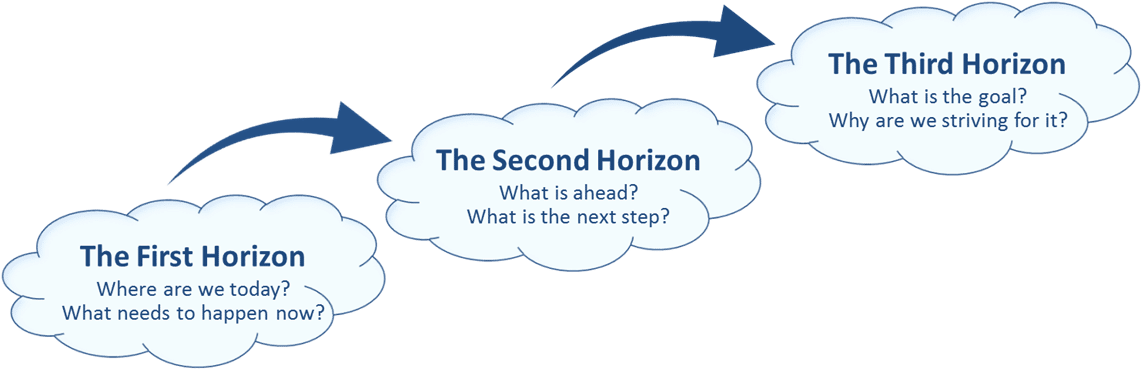
The Short Game: Immediacy and Impact
Right now, the most immediate impacts of algorithms are playing out in very tangible ways. Think about your social media feed. Algorithms decide what you see, often prioritizing engagement over factual accuracy. This can lead to echo chambers, where you’re only exposed to information confirming your existing beliefs, and the spread of misinformation, making it harder to discern truth from fiction.
In the workplace, algorithms are increasingly used for hiring and performance evaluation. While they promise efficiency and objectivity, they can also perpetuate existing biases. For example, if an algorithm is trained on historical data that predominantly shows men in leadership positions, it might unfairly penalize female candidates.
Furthermore, the rise of AI-powered automation is disrupting industries and reshaping the job market. While it promises increased productivity and new opportunities, it also raises concerns about job displacement and the need for workforce retraining. We see this already in manufacturing, and increasingly in sectors like customer service and even some aspects of creative work.
The Long Haul: Ethical Quandaries and Societal Shifts
Looking further down the line, the implications become even more profound. Imagine a world where personalized medicine is driven by algorithms, tailoring treatments based on your unique genetic makeup. Or a world where self-driving cars navigate our cities, drastically reducing accidents and congestion. These are exciting possibilities, but they also raise ethical questions.
- Bias and Fairness: How do we ensure that algorithms are fair and unbiased, especially when they’re used to make decisions that affect people’s lives? What happens when an algorithm makes a mistake with potentially life-altering consequences, like misdiagnosing a disease or causing an accident?
- Privacy and Surveillance: As algorithms become more sophisticated and data-hungry, how do we protect our privacy? How do we prevent the misuse of personal information for surveillance or manipulation?
- Autonomy and Control: As AI becomes more autonomous, how do we maintain control over it? How do we ensure that AI aligns with human values and doesn’t act in ways that are harmful or unintended?
These are not just abstract philosophical questions; they are very real challenges that we need to address as a society. Failing to do so could lead to a future where algorithms reinforce existing inequalities, erode our privacy, and undermine our autonomy.
Navigating the Algorithmic Future: Practical Solutions
So, how do we ensure that algorithms are used for good and not for ill? Here are a few practical solutions:
- Algorithmic Auditing and Transparency: We need to demand greater transparency in how algorithms are designed and deployed. This includes requiring companies to disclose the data they use to train their algorithms, the assumptions they make, and the potential biases that could arise. Regular audits can help identify and correct these biases. Example: The AI Now Institute at NYU has published extensively on the need for algorithmic audits in high-stakes domains like criminal justice and healthcare.
- Ethical AI Development: We need to develop ethical guidelines and standards for AI development. This includes incorporating fairness, accountability, and transparency into the design process. One way to improve this is to involve more diverse teams. More women and minorities in STEM leads to a broader understanding and view of the world, which ultimately leads to a better experience and outcome for everyone. Example: The Partnership on AI is a multi-stakeholder organization working to advance the responsible development of AI.
- Data Privacy Regulations: We need stronger data privacy regulations to protect individuals from the misuse of their personal information. This includes giving individuals more control over their data and holding companies accountable for data breaches. Example: The General Data Protection Regulation (GDPR) in the European Union is a leading example of data privacy regulation.
- Education and Awareness: We need to educate the public about the potential impacts of algorithms and how to critically evaluate information online. This includes teaching people how to identify misinformation, how to protect their privacy, and how to advocate for responsible AI development. Example: Media literacy programs in schools can help students develop the skills they need to navigate the digital world.
- Skills Development and Retraining: We need to invest in skills development and retraining programs to help workers adapt to the changing job market. This includes providing opportunities for workers to learn new skills in areas like data science, AI, and software development. Example: Community colleges and vocational schools can play a key role in providing affordable and accessible retraining programs.
Choosing Your Path: Alternative Approaches
There’s no one-size-fits-all solution to the challenges posed by algorithms. Depending on your role and circumstances, you might choose to focus on different approaches:
- For Individuals: Be mindful of the information you consume online. Critically evaluate sources, protect your privacy, and advocate for responsible AI development.
- For Businesses: Prioritize ethical AI development, be transparent about your algorithms, and invest in employee training.
- For Policymakers: Enact data privacy regulations, promote algorithmic transparency, and invest in education and skills development.
- For Researchers: Develop new tools and techniques for auditing algorithms, detecting bias, and ensuring fairness.
The Optimistic Outlook: Shaping Our Algorithmic Future
The algorithmic horizon is full of both promise and peril. But by acknowledging the challenges and taking proactive steps, we can shape our algorithmic future in a way that benefits all of humanity. The key is to engage in open and honest dialogue, collaborate across disciplines, and prioritize ethical considerations. The time to act is now. By becoming informed, engaged, and proactive, we can ensure that algorithms serve as a force for good in the world. This isn’t just about technology; it’s about shaping the kind of future we want to live in. So, let’s get started.
