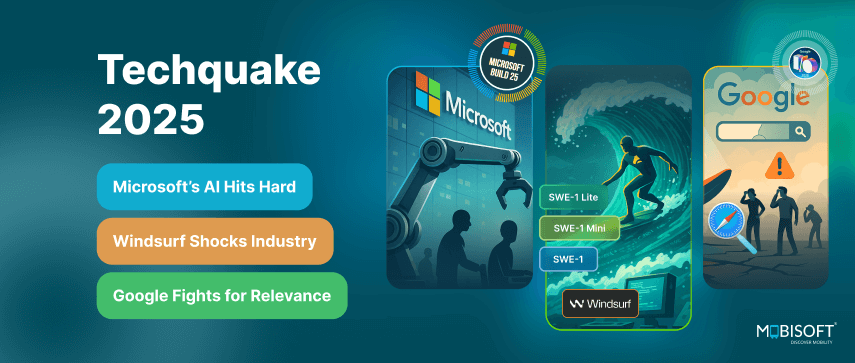
Techquake: Disruption Ahead
Introduction
Hold on tight, folks! We’re about to enter a techquake. It’s not about tectonic plates shifting, but the earth under our digital feet is definitely rumbling. A wave of disruptive technologies is crashing onto the scene, promising both incredible opportunities and some serious challenges. The question isn’t whether this disruption will happen, but how we can navigate it successfully.
Think about it: Artificial intelligence is writing articles (maybe even better than this one!), automation is changing the face of work, and virtual reality is blurring the lines between the physical and digital worlds. These aren’t futuristic fantasies anymore; they’re here, they’re real, and they’re evolving at warp speed. But what does this “techquake” really mean for us, both in the short and long term?
The Immediate Aftershocks: Short-Term Impacts
In the short term, we’re already seeing the tremors of this technological shift. One of the most noticeable impacts is in the job market. Automation is streamlining processes, leading to increased efficiency but also potential job displacement in certain sectors. Think manufacturing, data entry, and even some aspects of customer service.
Simultaneously, new roles are emerging, demanding different skillsets. We need data scientists, AI ethicists, cybersecurity experts, and VR/AR developers. This creates a skills gap – a mismatch between the jobs available and the skills people possess. Suddenly, lifelong learning isn’t just a nice idea; it’s a necessity.
Another immediate impact is the increasing pressure on businesses to adapt. Companies that cling to outdated technologies risk becoming obsolete. We’re seeing this play out in retail, where brick-and-mortar stores are struggling to compete with online giants. The need to embrace digital transformation, to innovate and experiment, is more urgent than ever.
Finally, we’re facing a deluge of information and a battle for our attention. Social media algorithms, personalized advertising, and the sheer volume of online content can be overwhelming. This raises concerns about filter bubbles, misinformation, and the potential for manipulation.
Looking into the Fault Line: Long-Term Impacts
The long-term implications of this techquake are even more profound. Imagine a world where AI handles most routine tasks, freeing up humans to focus on creativity, critical thinking, and complex problem-solving. This could lead to a more productive and fulfilling society, but it also raises questions about the future of work, wealth distribution, and our very definition of purpose.
Healthcare is poised for a revolution. AI-powered diagnostics, personalized medicine, and robotic surgery could dramatically improve health outcomes and extend lifespans. But who will have access to these technologies, and how will we ensure they are used ethically and responsibly?
Education will also undergo a transformation. Personalized learning platforms, VR simulations, and AI tutors could create more engaging and effective learning experiences. However, we need to ensure that these technologies don’t exacerbate existing inequalities and that they foster critical thinking and human connection, not just rote memorization.
The techquake will also reshape our social interactions and our sense of community. While social media can connect us with people across the globe, it can also contribute to polarization, social isolation, and the erosion of trust. We need to find ways to harness the power of technology to build stronger and more inclusive communities.
Building Earthquake-Resistant Structures: Practical Solutions
So, how do we navigate this techquake and JAWABET88 build a future where technology empowers us rather than overwhelms us? Here are some practical solutions:
- Invest in Lifelong Learning: The most crucial step is to embrace a mindset of continuous learning. Identify the skills that are in demand and actively seek out opportunities to acquire them. Online courses, workshops, and industry certifications are all valuable resources. Consider platforms like Coursera, edX, Udemy, and LinkedIn Learning.
- Example: A former marketing manager, seeing the rise of data-driven marketing, took online courses in data analytics and SQL. They then transitioned into a new role as a marketing analyst, leveraging their existing marketing knowledge with their newfound data skills.
- Embrace Digital Transformation: Businesses need to proactively adopt new technologies and integrate them into their operations. This involves not just implementing new software but also fostering a culture of innovation and experimentation.
- Case Study: Netflix transformed itself from a DVD rental service to a streaming giant by embracing digital technology and constantly innovating its platform. They invested heavily in content creation, personalization, and data analytics to deliver a superior user experience.
- Develop Critical Thinking Skills: In a world saturated with information, it’s crucial to develop critical thinking skills to evaluate sources, identify biases, and make informed decisions.
- Solution: Actively seek out diverse perspectives, question assumptions, and learn to differentiate between facts and opinions. Practice media literacy by evaluating the credibility of online sources and identifying potential biases.
- Advocate for Ethical AI: As AI becomes more prevalent, it’s essential to ensure that it is developed and used ethically. This means advocating for transparency, accountability, and fairness in AI systems.
- Example: Support organizations that are working to develop ethical guidelines for AI, such as the Partnership on AI. Engage in conversations about the ethical implications of AI and advocate for policies that promote responsible AI development.
- Foster Human Connection: In an increasingly digital world, it’s important to prioritize human connection. Make time for face-to-face interactions, join community groups, and engage in activities that foster a sense of belonging.
- Solution: Limit screen time, especially during meals and social gatherings. Prioritize meaningful conversations over superficial online interactions. Volunteer in your community and engage in activities that bring people together.
Alternative Approaches: A Toolbox for Navigating Disruption
Here are a few more strategies to consider:
- Focus on “Human” Skills: While technology can automate many tasks, it can’t replicate uniquely human skills like empathy, creativity, and leadership. Invest in developing these skills to remain competitive in the future job market.
- Support Policies that Promote Economic Inclusion: Advocate for policies that address income inequality and provide opportunities for all to participate in the digital economy. This could include universal basic income, affordable access to education and technology, and policies that protect workers from displacement.
- Embrace a Growth Mindset: A growth mindset is the belief that your abilities can be developed through dedication and hard work. This mindset will help you adapt to change, overcome challenges, and continuously learn and grow.
The Silver Lining: A Future Forged with Resilience
The techquake is undeniably disruptive, but it’s also an opportunity. It’s a chance to create a future where technology empowers us to solve pressing problems, improve our lives, and build a more just and equitable world.
By embracing lifelong learning, fostering critical thinking, advocating for ethical AI, and prioritizing human connection, we can navigate this disruption successfully. We can build “earthquake-resistant” structures that will withstand the tremors of technological change.
The future is not something that happens to us; it’s something we create. Let’s step into this tech-driven future with courage, curiosity, and a commitment to building a better world for all. Don’t just brace for the impact; become the architects of a more resilient and thriving future!
