Tech: The Innovation Arms Race
Introduction
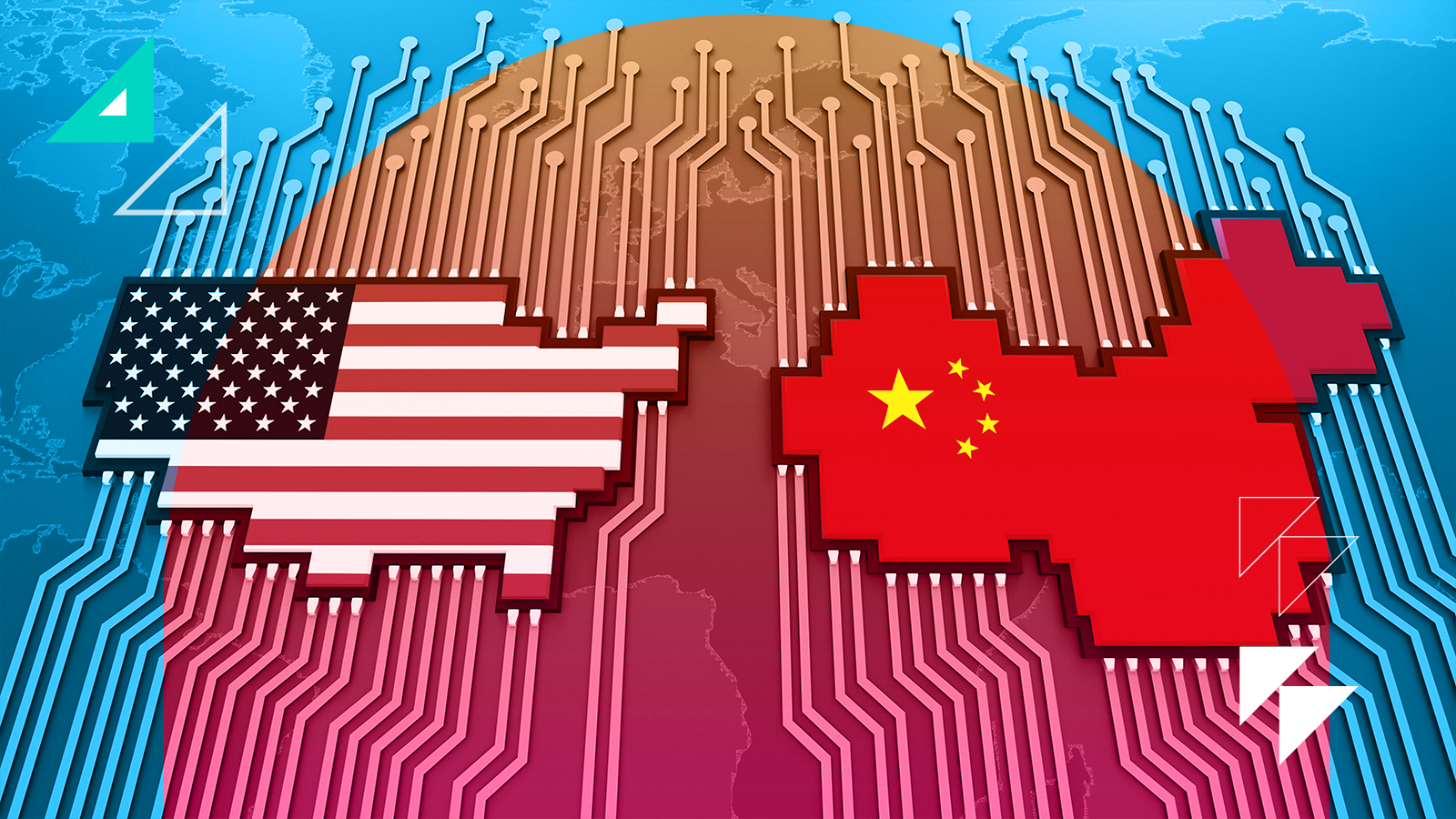
Ever feel like you’re sprinting on a treadmill, desperately trying to keep up with the latest tech? New gadgets, groundbreaking software, and mind-blowing applications seem to drop daily, leaving us both awestruck and slightly overwhelmed. Welcome to the innovation arms race, a high-stakes competition where companies and individuals are constantly vying for the next big breakthrough. But is this relentless pursuit of progress a blessing or a curse? Let’s dive in and explore the exciting, and sometimes unnerving, reality of this technological whirlwind.
Short-Term Thrills, Long-Term Ripples
In the short term, the innovation arms race fuels an explosion of possibilities. We see smarter homes, personalized medicine, and instant global communication. Businesses become more efficient, creativity soars with new tools, and our lives, in many ways, become easier. Think about the evolution of smartphones. Each year brings faster processors, better cameras, and more intuitive interfaces. This constant upgrading cycle has revolutionized how we connect, work, and entertain ourselves.
However, the long-term impact is more complex. This frantic race can lead to several challenges. First, there’s the digital divide. As technology advances rapidly, those who lack access to it – whether due to cost, infrastructure, or education – are left behind. This creates inequalities and exacerbates existing social problems.
Second, the rapid pace of innovation can create a sense of obsolescence. Products become outdated quickly, leading to a culture of constant consumption and waste. E-waste is a growing environmental problem, and the mental toll of constantly chasing the newest gadget can be significant.
Third, and perhaps most concerning, is the ethical dimension. Technologies like AI and biotechnology raise profound questions about privacy, security, and the very nature of humanity. The rush to develop these technologies can sometimes outpace our ability to understand and regulate their potential consequences. Imagine AI-powered surveillance systems becoming commonplace. While they might improve security, they could also erode our privacy and civil liberties.
Taming the Beast: Practical Solutions for a Sustainable Future
So, how can we navigate this innovation arms race in a way that benefits everyone? Here are some practical solutions:
- Investing in Digital Literacy: We need to ensure that everyone has the skills and knowledge to participate in the digital economy. This means investing in education programs that teach digital literacy, coding, and critical thinking skills. Organizations like Code.org are working to make computer science education accessible to all students, regardless of background.
- Promoting Responsible Innovation: Companies and researchers need to prioritize ethical considerations in their work. This means developing technologies that are safe, fair, and transparent. For example, AI developers can use techniques like explainable AI (XAI) to make their algorithms more understandable and accountable. The Partnership on AI is a multi-stakeholder organization working to promote responsible AI development.
- Fostering Collaboration: Innovation should not be a solo endeavor. We need to encourage collaboration between different disciplines, industries, and countries. This can lead to more creative solutions and help us address complex challenges. Open-source software projects, like Linux, demonstrate the power of collaboration in the tech world.
- Adopting Circular Economy Principles: We can reduce waste and promote sustainability by adopting circular economy principles. This means designing products that are durable, repairable, and recyclable. Companies like Fairphone are leading the way in creating modular smartphones that are designed to last.
- Prioritizing Human-Centered Design: Technology should serve humanity, not the other way around. We need to design technologies that are user-friendly, accessible, and address real human needs. The principles of user-centered design emphasize understanding the needs and preferences of users throughout the development process.
- Embrace Slow Tech: Counteract the rapid-fire nature of constant upgrades and releases with “slow tech.” This concept encourages a more mindful approach to technology consumption. It’s about choosing quality over quantity, investing in durable products, and intentionally disconnecting to focus on real-life experiences. Think of it as digital minimalism.
- Support Policies that Promote Equity: Governments play a crucial role in ensuring that the benefits of technology are shared by all. This means investing in infrastructure, regulating data privacy, and promoting fair competition. The European Union’s General Data Protection Regulation (GDPR) is an example of a policy that aims to protect individuals’ privacy in the digital age.
Alternative Approaches: Finding Your Balance
Not every solution works for every individual or organization. Here are some alternative approaches to consider:
- The “Early Adopter” Strategy: Embrace new technologies early, but with a critical eye. Evaluate their potential benefits and risks before fully integrating them into your life or business.
- The “Wait and See” Approach: Take a more cautious approach, waiting to see how new technologies develop and mature before adopting them. This can help you avoid investing in technologies that turn out to be fads.
- The “Hybrid” Model: Combine the best of both worlds by selectively adopting new technologies while maintaining a focus on traditional methods and values.
A Future Worth Building
The innovation arms race is a reality, but it doesn’t have to be a destructive one. By embracing responsible innovation, investing in digital literacy, and prioritizing human-centered design, we can harness the power of technology for good. The future is not predetermined. It’s up to us to shape it. So, let’s get involved, ask questions, and demand a more equitable and sustainable tech landscape. The possibilities are endless, and the future is waiting to be built. Let’s build it together, consciously and thoughtfully.
